The Hidden Costs of DIY Renovations (and How to Avoid Them)
Time, mistakes, and rework add up. Which projects make sense to do yourself, which to leave to a pro, and how to split the difference.
By Leo Matos · Updated April 2026 · 4 min read

Time, mistakes, and rework add up. Which projects make sense to do yourself, which to leave to a pro, and how to split the difference.
DIY renovations seem like a great way to save money, but many homeowners across Washington DC, Maryland, and Northern Virginia discover that the hidden costs can quickly exceed the price of hiring a professional contractor. Before you pick up that sledgehammer, let's explore the real costs of DIY renovations and when it makes sense to call in the experts.
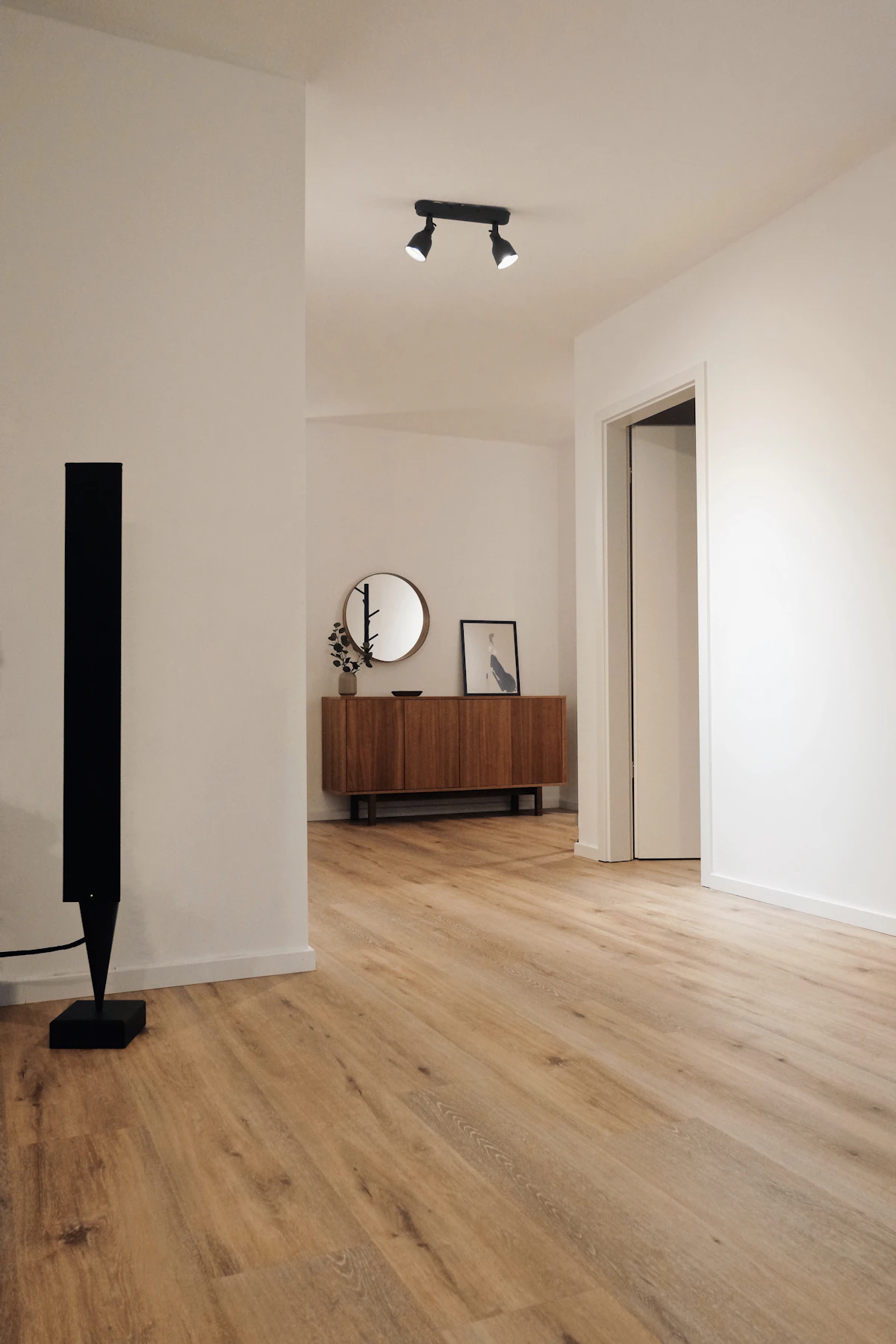
DIY renovations often involve more complexity and costs than initially anticipated
The True Cost of DIY: Beyond Materials
Most homeowners focus only on material costs when budgeting for DIY projects, but the hidden expenses can be substantial:
- Tool Purchases and Rentals: Quality tools for finish carpentry, electrical work, and plumbing can cost $2,000-$5,000
- Permit Fees: Building permits across the DMV range from $50-$500+ depending on project scope
- Inspection Costs: Failed inspections require re-work and additional fees
- Material Waste: Inexperience leads to 15-25% more material costs due to mistakes and waste
- Time Investment: Projects take 2-3x longer than estimated, costing valuable personal time
When DIY Makes Sense (And When It Doesn't)
Some projects are perfect for DIY, while others should always be left to DMV professionals:
Good DIY Projects:
- Painting: Interior and exterior painting (non-lead surfaces)
- Simple Flooring: Laminate or vinyl plank installation
- Basic Landscaping: Planting, mulching, simple garden beds
- Cosmetic Updates: Cabinet hardware, light fixtures, faucets
Leave to DMV Professionals:
- Electrical Work: Requires a licensed electrician
- Plumbing: Major plumbing work needs permits and expertise
- Structural Changes: Load-bearing walls, foundation work
- Finish Carpentry: Custom trim, built-ins, complex millwork
- Basement Finishing: Moisture control, framing, electrical rough-in
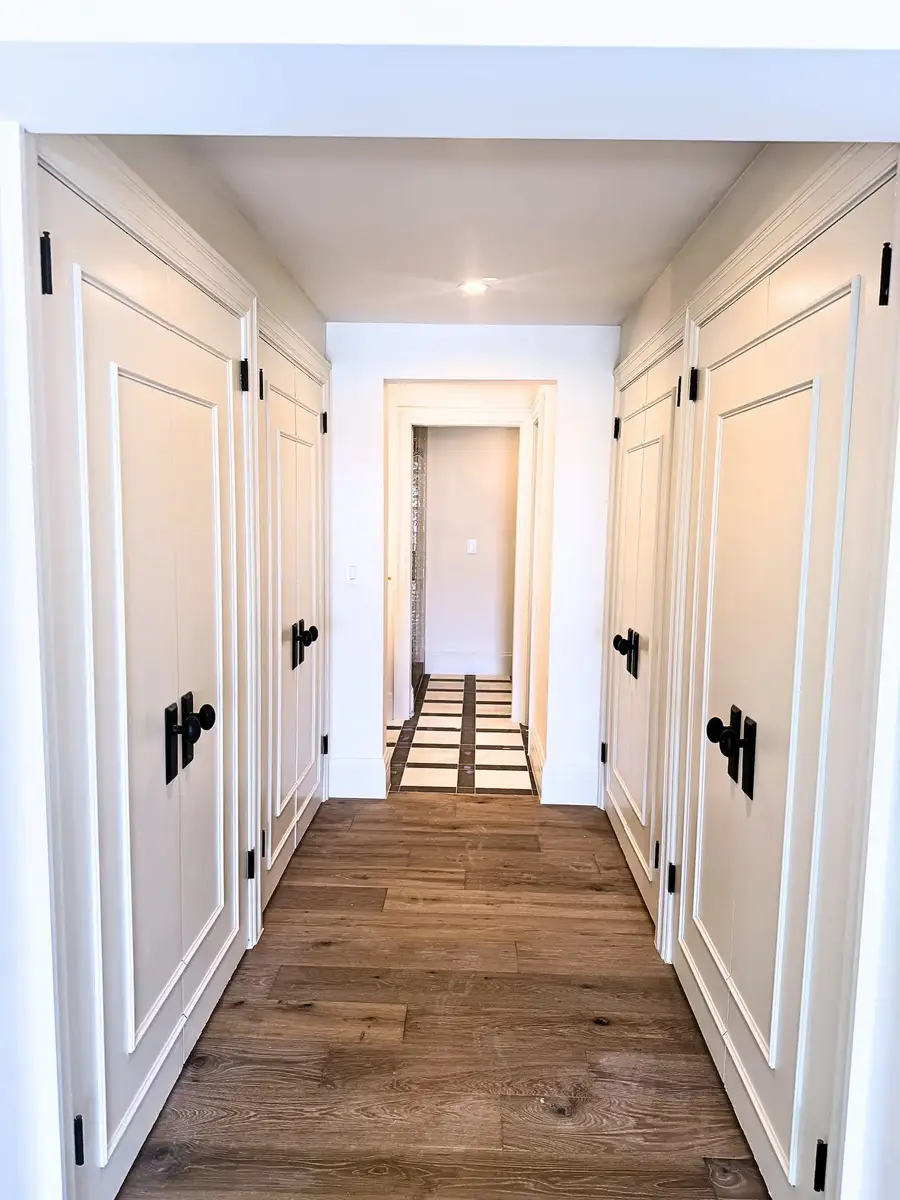
Professional finish carpentry requires specialized skills and tools that most DIYers don't possess
The Hidden Cost of Mistakes
DIY mistakes can be expensive to fix and may require professional intervention:
- Electrical Errors: Fire hazards, code violations, insurance issues
- Plumbing Mistakes: Water damage, mold, structural problems
- Structural Issues: Compromised load-bearing elements, foundation damage
- Poor Finish Work: Uneven trim, gaps, visible imperfections that reduce home value
Want real numbers for your house? Leo will come out and give you a written estimate. Free.
Get a free estimateTime: The Biggest Hidden Cost
Your time has value, and DIY projects consume far more time than anticipated:
- Learning Curve: Research, YouTube videos, trial and error
- Shopping Time: Multiple trips to home improvement stores
- Actual Work: Projects take 2-3x longer than professional estimates
- Fixing Mistakes: Redoing work adds significant time
- Family Impact: Disrupted living spaces, stress, relationship strain
Quality Differences: DIY vs Professional
Professional contractors bring expertise that's difficult to replicate:
- Specialized Tools: Professional-grade equipment for precise results
- Experience: Years of training in proper techniques and problem-solving
- Efficiency: Completed projects in fraction of DIY time
- Warranty: Professional work comes with guarantees and insurance
- Code Compliance: Ensures all work meets building standards across DC, Maryland, and Virginia
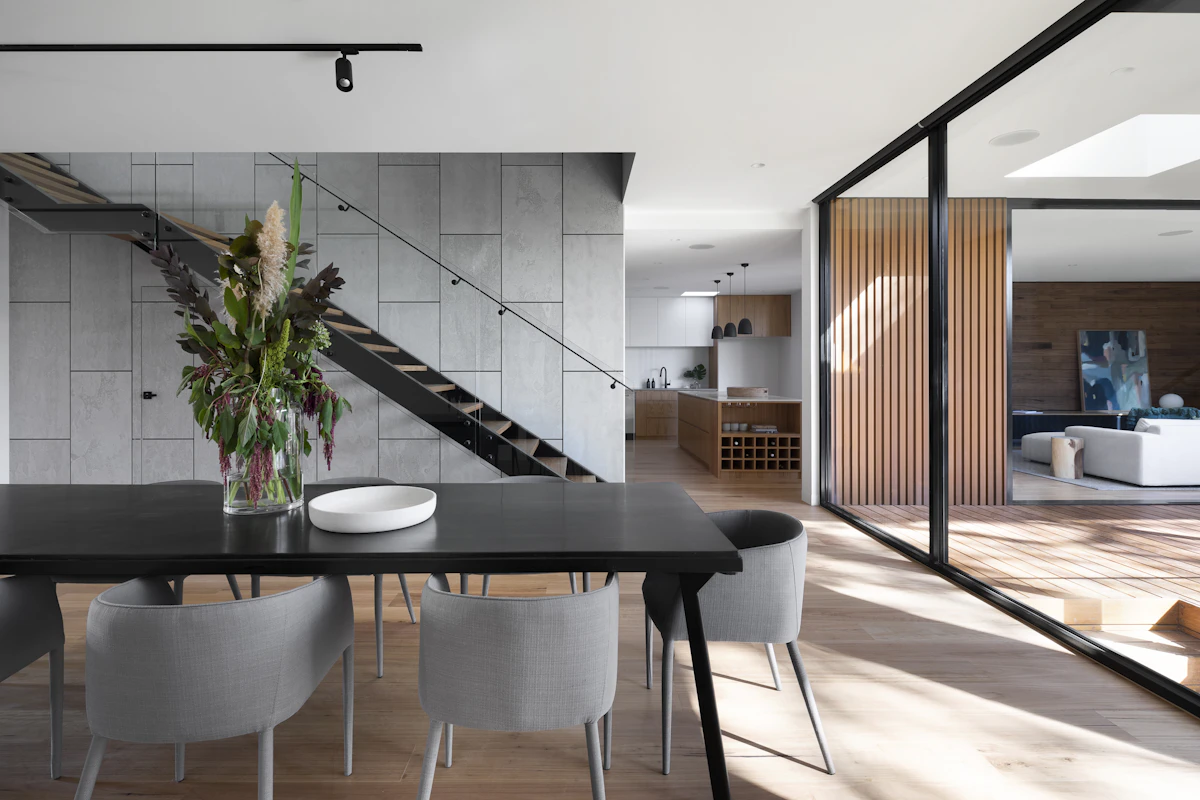
Professional basement finishing delivers results that are difficult to achieve with DIY methods
Smart Hybrid Approach: DIY + Professional
The best strategy often combines DIY and professional work:
- Demo Work: DIY demolition to save on labor costs
- Prep Work: Cleaning, organizing, basic preparation
- Finishing Touches: Painting after professional installation
- Professional Core Work: Electrical, plumbing, structural, finish carpentry
Questions to Ask Before Going DIY
Before starting any DIY project, honestly assess these factors:
- Skill Level: Do you have the necessary skills and experience?
- Tool Access: Do you own or can you afford the required tools?
- Time Availability: Can you realistically complete the project in a reasonable timeframe?
- Permit Requirements: Does the project require permits or inspections in your jurisdiction?
- Safety Concerns: Are there electrical, structural, or safety risks?
- Resale Impact: Will poor execution hurt your home's value?
When to Call DMV Professionals
Certain situations always warrant professional help:
- Tight Deadlines: When you need quality work completed quickly
- Complex Projects: Basement finishing, custom carpentry, major home renovations
- Permit Requirements: Any work requiring building permits in the DMV
- Safety Concerns: Electrical, plumbing, or structural work
- Resale Considerations: When quality directly impacts home value
- Warranty Needs: When you want guaranteed results and protection
While DIY projects can be rewarding and cost-effective for simple tasks, major home renovations like basement finishing, custom carpentry, and home remodeling are best left to experienced DMV contractors. The hidden costs of DIY mistakes, time investment, and tool purchases often exceed the savings.
Before starting your next project, get an estimate from Matos Construction. You might be surprised how competitive professional pricing can be when you factor in all the hidden costs of DIY — plus you'll get quality results, proper permits, and peace of mind that the work is done right the first time.

Leo Matos, Owner, Matos Construction
Leo has 8+ years in finish carpentry and renovation in the DMV and is on every job. More about Leo
Tell Leo about your project
Takes about a minute. Leo replies within one business day.