Built-Ins Room by Room: What Fits Where
A room by room guide to built-in cabinetry and shelving in DMV homes. What works in a living room, office, mudroom, or closet, and what to sort out first.
By Leo Matos · Updated August 2026 · 5 min read
A room by room guide to built-in cabinetry and shelving in DMV homes. What works in a living room, office, mudroom, or closet, and what to sort out first.
Built-ins are the most requested thing we get asked about right now. Homeowners have usually seen one they liked somewhere and want to know if it works in their house.
The honest answer is that it depends on the room. A built-in that transforms a living room can be a waste of money in a bedroom. The wall matters, the ceiling height matters, and how you actually use the space matters more than either.
Here is a room by room breakdown of what tends to work, so you have a starting point before anyone comes out to look.
A built-in closet system built to the exact dimensions of the room
Living room: the wall you already stare at
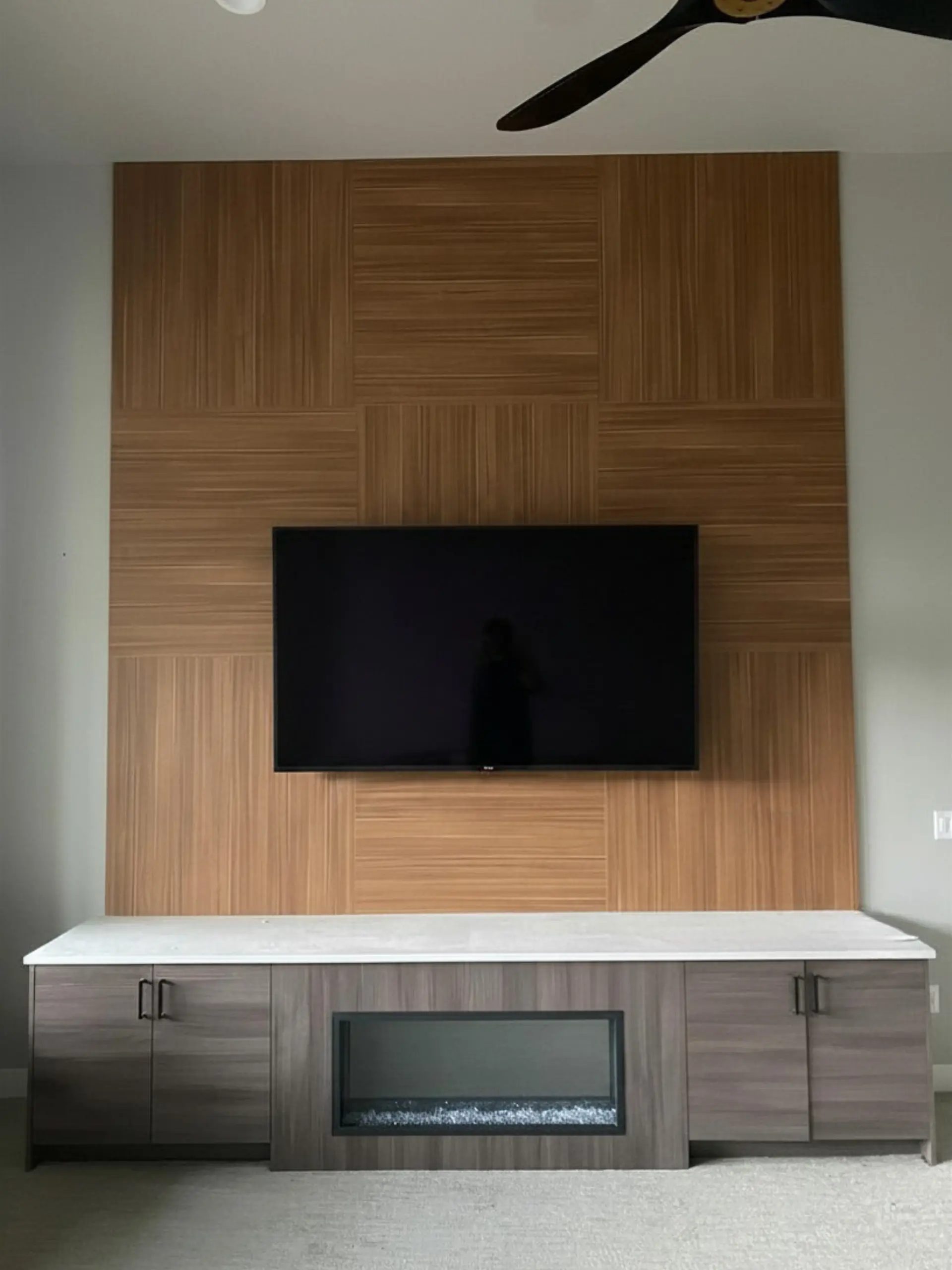
This is the most common request and usually the best return. Most living rooms have one wall that everything points at. A fireplace wall, or the wall the TV ends up on. Built-ins turn that wall into the reason the room looks finished.
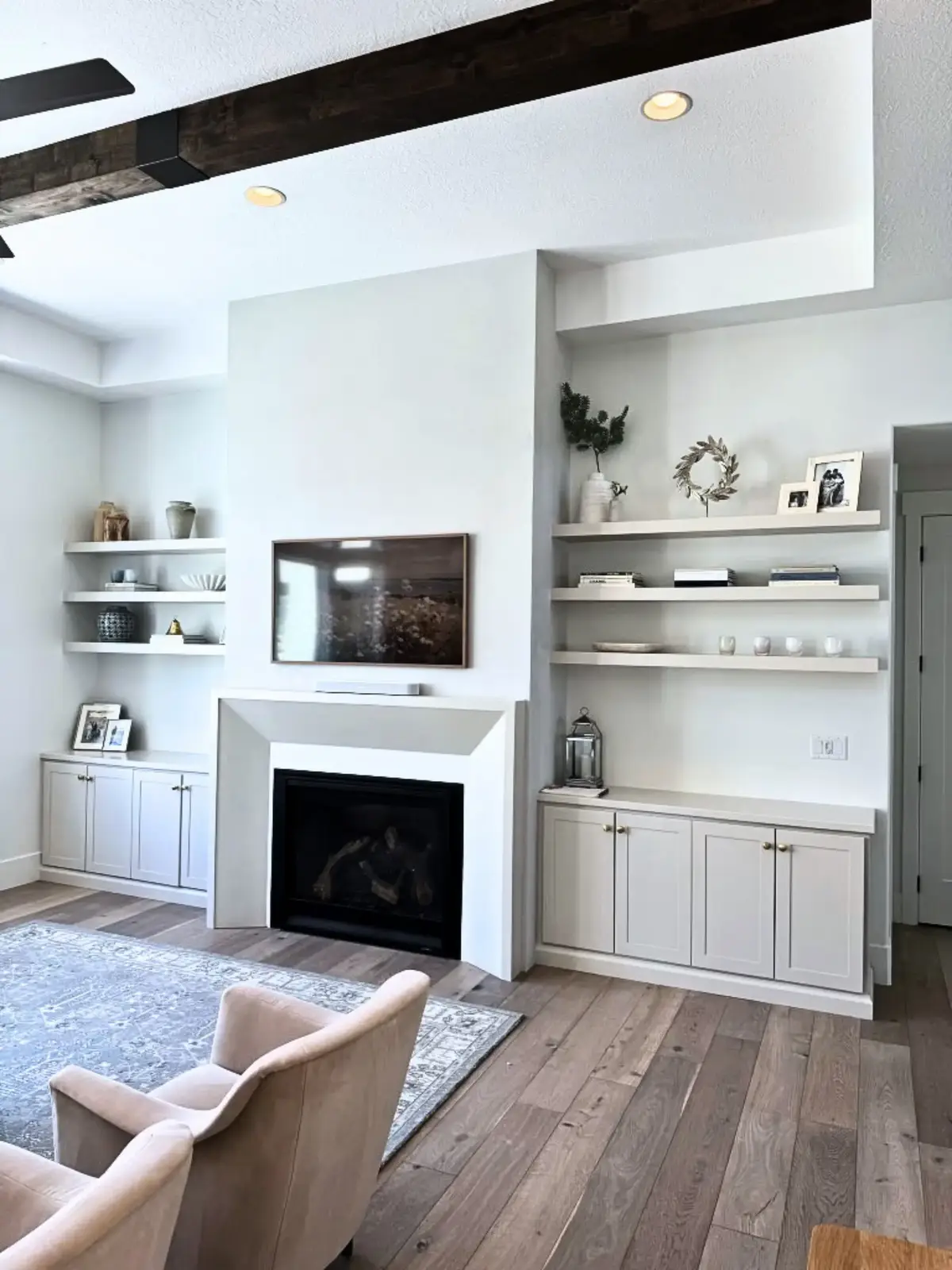
What works here: cabinetry along the bottom to hide the things nobody wants to look at, open shelving above, and a run of trim that ties the whole thing into the existing woodwork. Flanking a fireplace with two matched towers is a classic for a reason. It makes a plain box of a room look architectural.
What to watch for: outlets, cable runs, and whether the wall is load bearing if you are opening anything up. Also the ceiling. In a room with tall ceilings, built-ins that stop three feet short look unfinished. Either run them to the ceiling or make the stopping point deliberate with a cap and crown.
Home office: shelving that hides the mess
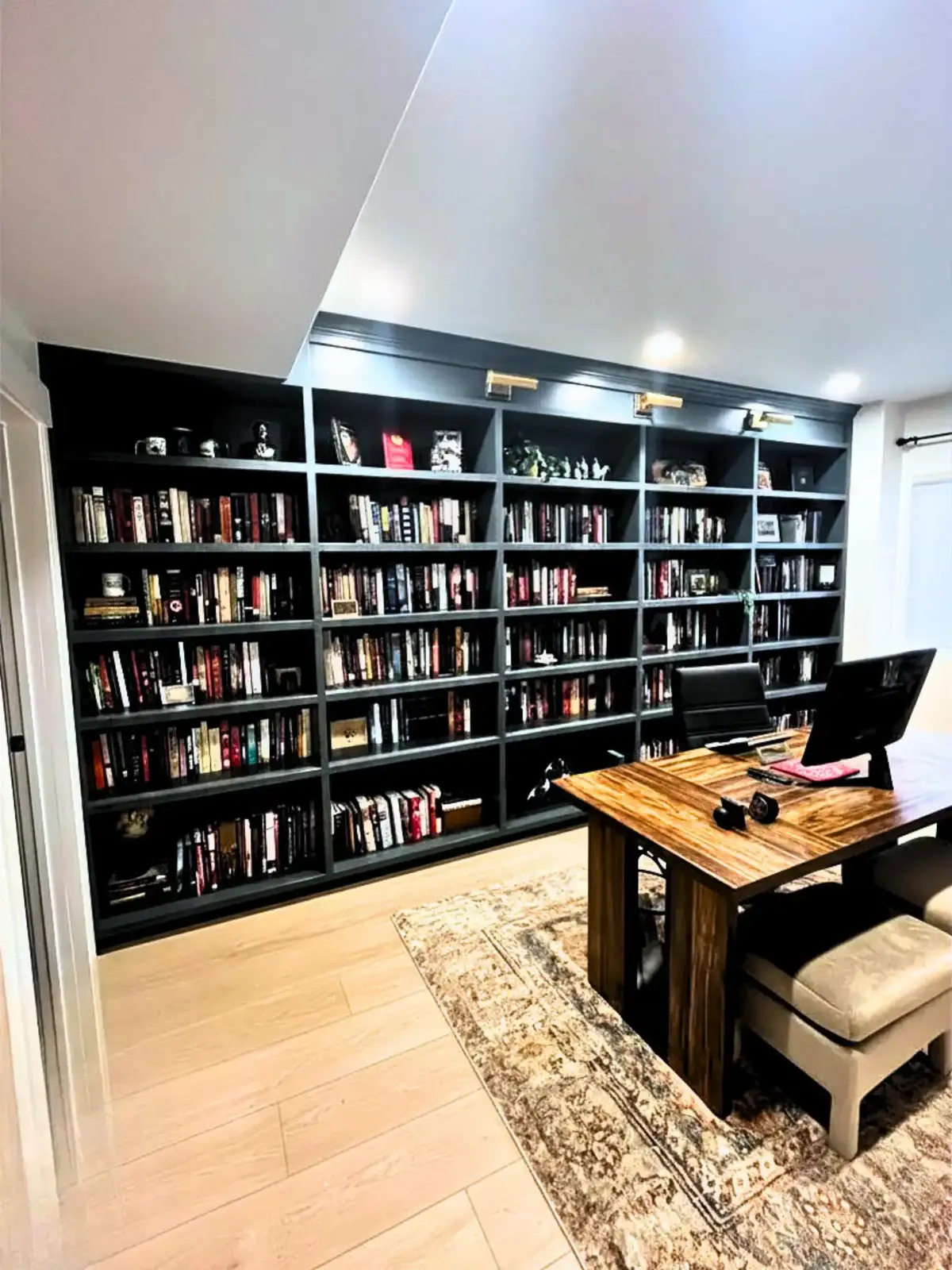
Offices went from a nice-to-have to a room people sit in all day. The built-ins that work here are the ones that deal with clutter.
The pattern that holds up: closed storage at desk height and below, open shelves above eye level, and a work surface built in rather than a desk pushed against a wall. Building the desk in gets you a deeper surface and lets the cabinetry run continuous, which reads much calmer on video calls than a wall of mismatched furniture.
One thing people forget is cable management. If you are building it anyway, put in grommets and a chase behind the desk while the back panel is still off. It costs almost nothing at that stage and it is a real job to add later.
Mudroom and entry: the hardest working built-in in the house
If you have kids, this is the one that changes your daily life the most. It also takes the most abuse, so it is worth building properly.
Lockers with a bench, hooks at the right height, a cubby per person, and a closed cabinet up top for the seasonal things. The details that matter are the ones people skip. A bench top that wipes clean. Hooks anchored into blocking, not just into drywall. A toe kick you can get a vacuum under. Shoe storage that is open, because closed shoe storage traps damp and starts to smell.
Height is the thing most mudrooms get wrong. Hooks set at adult height mean the kids never use them, and the whole point of a mudroom is that the coats end up somewhere other than the floor.
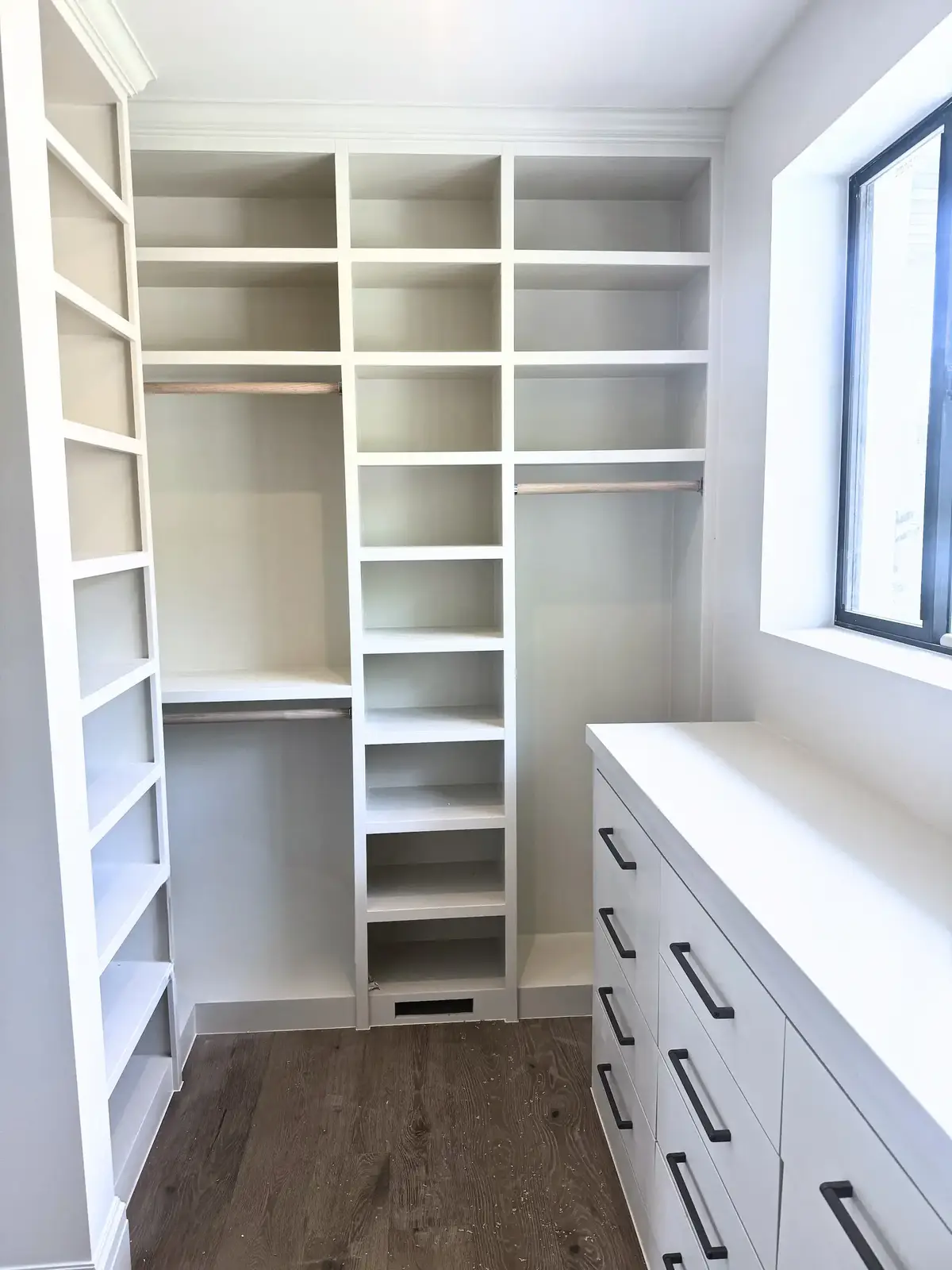
Closed storage below, open shelving above, built to the wall it sits on
Want real numbers for your house? Leo will come out and give you a written estimate. Free.
Get a free estimateBedrooms and closets
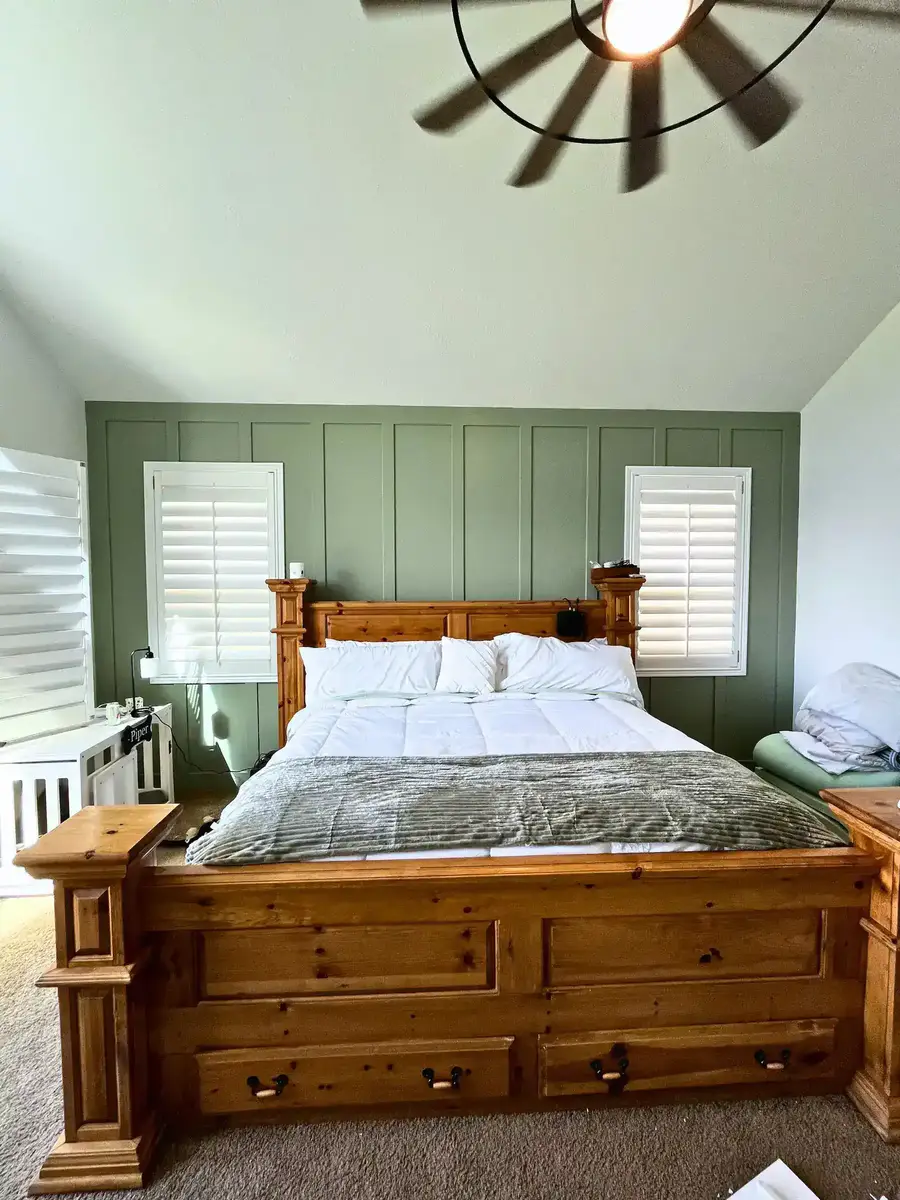
Bedrooms are where people most often overbuild. A wall of cabinetry in a bedroom can make the room feel smaller and heavier than it did before.
What usually works better is a built-in closet system rather than built-ins out in the room. Double hanging where you need it, a single run of long hanging for coats and dresses, drawers inside the closet instead of a dresser taking up floor space, and shelving all the way up to use the height most closets waste.
The exception is a window seat with drawers underneath, or a headboard wall with shallow cabinetry either side. Both add storage without closing the room in.
Stairs, hallways, and the odd leftover spaces
Older DMV homes are full of spaces that do not do anything. Under a staircase. The dead end of a hallway. A wide landing. These are usually the cheapest built-ins to add because the framing is already there.
Under stairs works well as drawers rather than a cabinet, because a cabinet in that shape leaves you reaching into a dark triangle. Hallways can take shallow shelving, twelve inches or less, without feeling tight. A landing can take a window seat or a small bank of cabinets.
None of this is glamorous, but it is the kind of thing people notice when they walk through a house.
What to sort out before anything gets built
A few things save a lot of back and forth later.
Measure the room and note the ceiling height. Take a photo of the wall you have in mind, including the floor and ceiling lines. Check where the outlets and vents are, because a vent in the middle of a planned cabinet run changes the design.
Decide whether you want paint grade or stain grade. Paint grade is built from material that gets primed and painted, and it hides seams well. Stain grade uses hardwood with matched grain and shows everything, so it costs more and takes longer. Neither is better. They just look different and cost different.
Finally, think about how long you plan to stay. Built-ins are permanent. That is the point of them, and it is also the thing to be sure about before the first cut.
Want to talk through a specific room?
Leo comes out, looks at the actual wall, and tells you what will work and what will not. No guessing from photos. If you have a room in mind, get in touch and we will set up a time.
You can also see more of this work on our shelving and closets page, or browse the full portfolio.
Matos Construction LLC builds custom built-ins and finish carpentry for homeowners in McLean, Bethesda, Arlington, Great Falls, Potomac, Chevy Chase, and the surrounding DMV area.

Leo Matos, Owner, Matos Construction
Leo has 8+ years in finish carpentry and renovation in the DMV and is on every job. More about Leo
See our custom finish carpentry work
Tell Leo about your project
Takes about a minute. Leo replies within one business day.