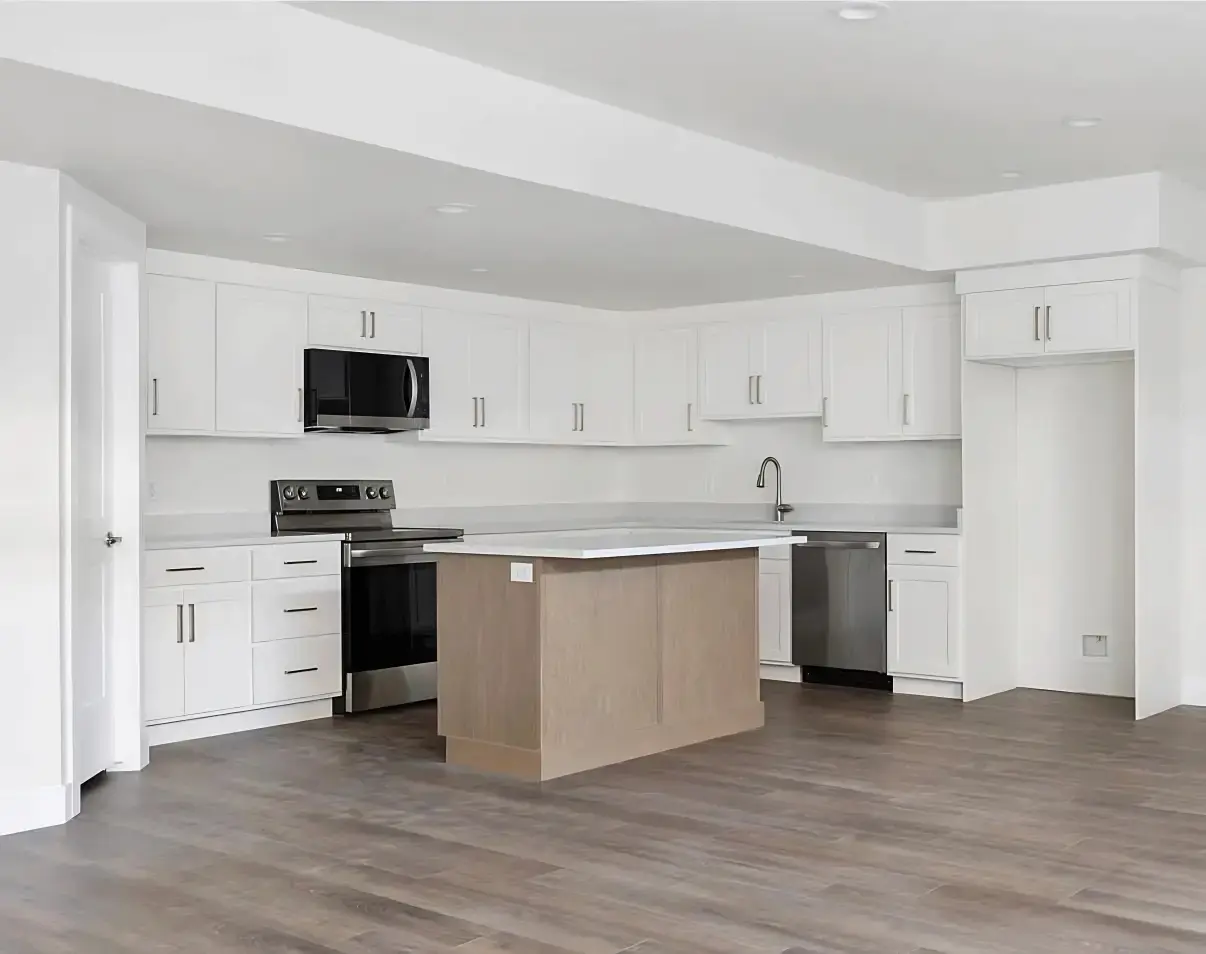
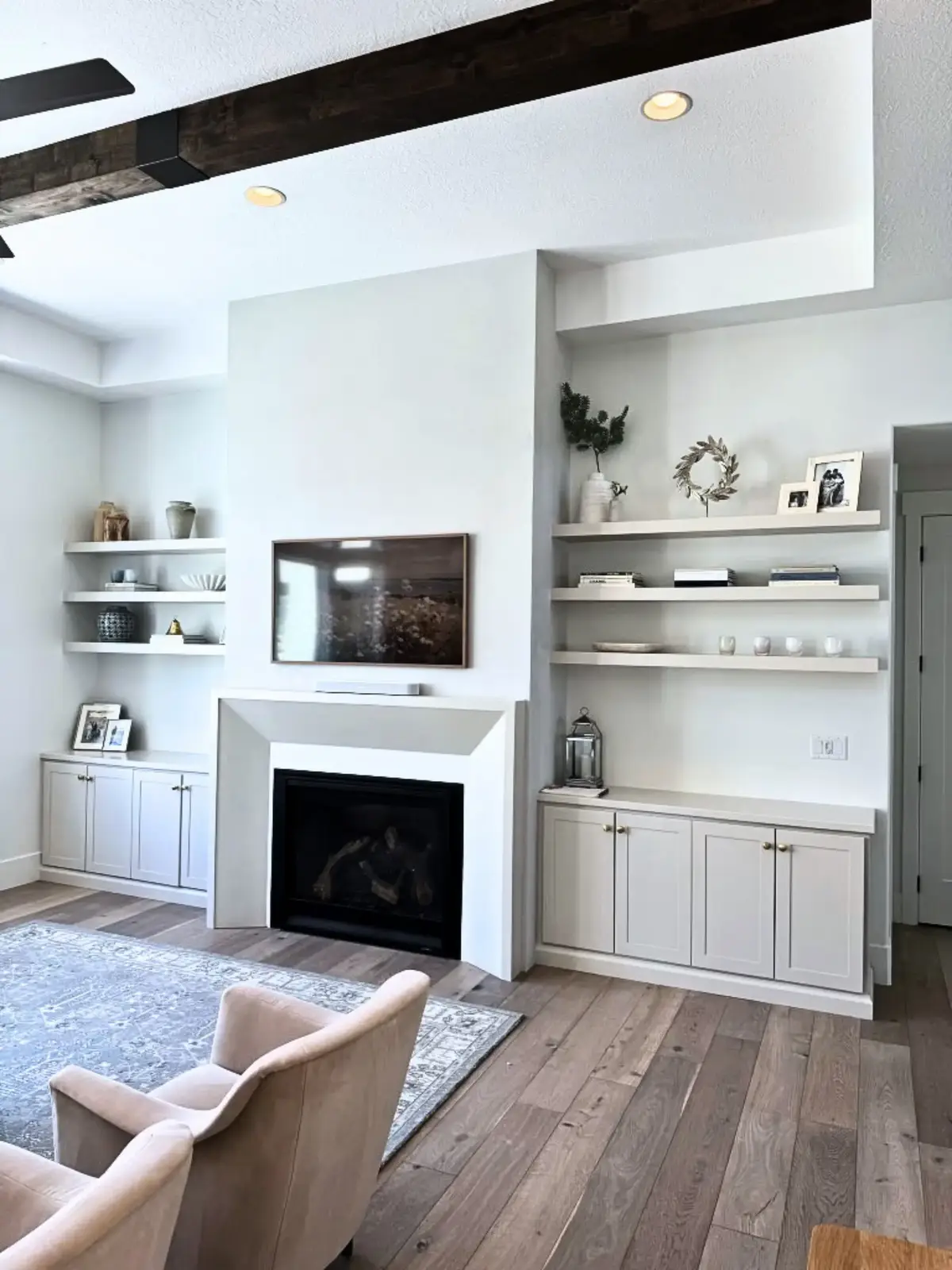
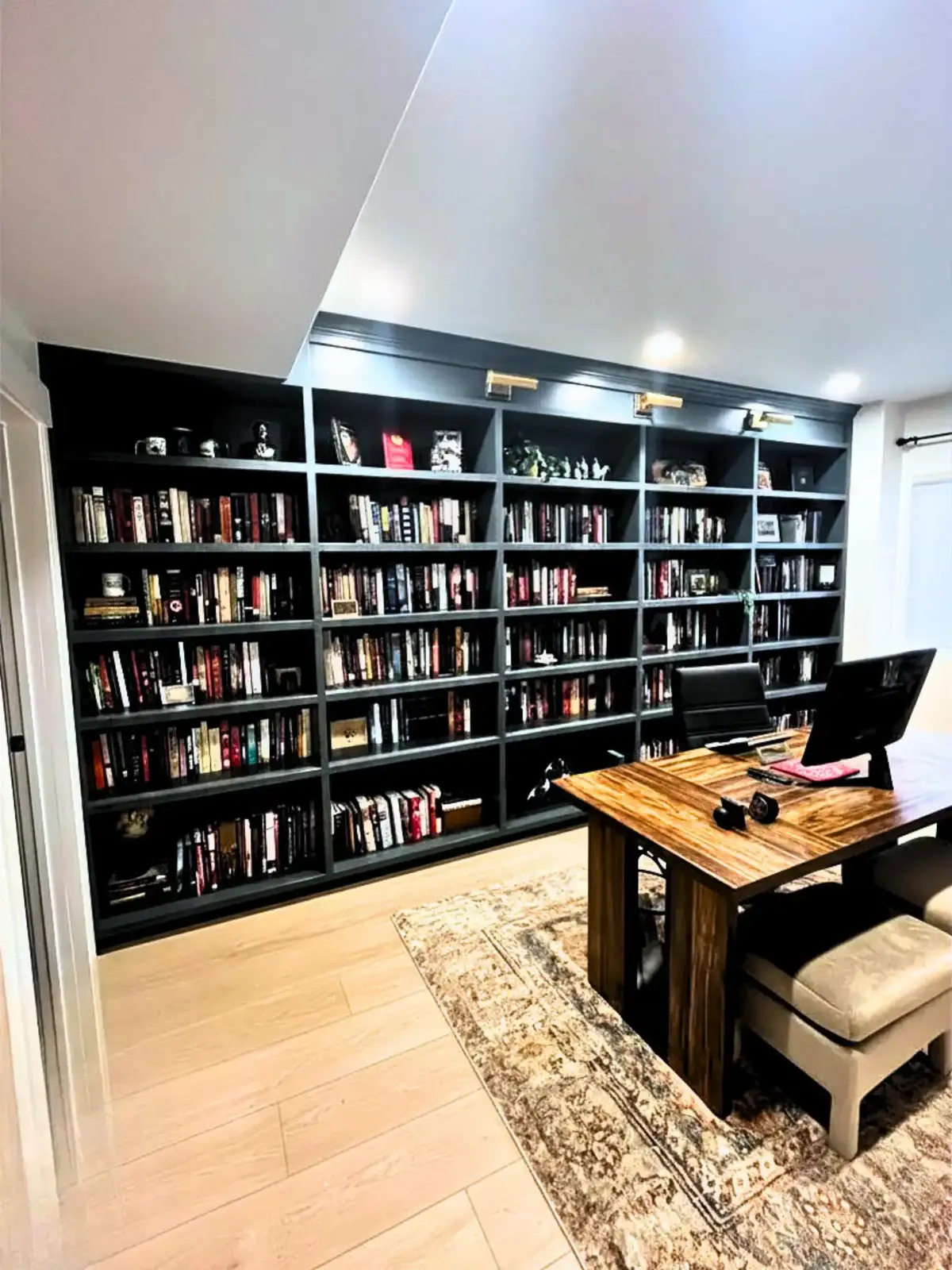
How to Choose the Right Flooring for Your Home
Hardwood, engineered wood, luxury vinyl, or tile. How to pick flooring that fits the room, and what it costs in DC, Maryland, and Northern Virginia.
By Leo Matos · Updated March 2026 · 6 min read
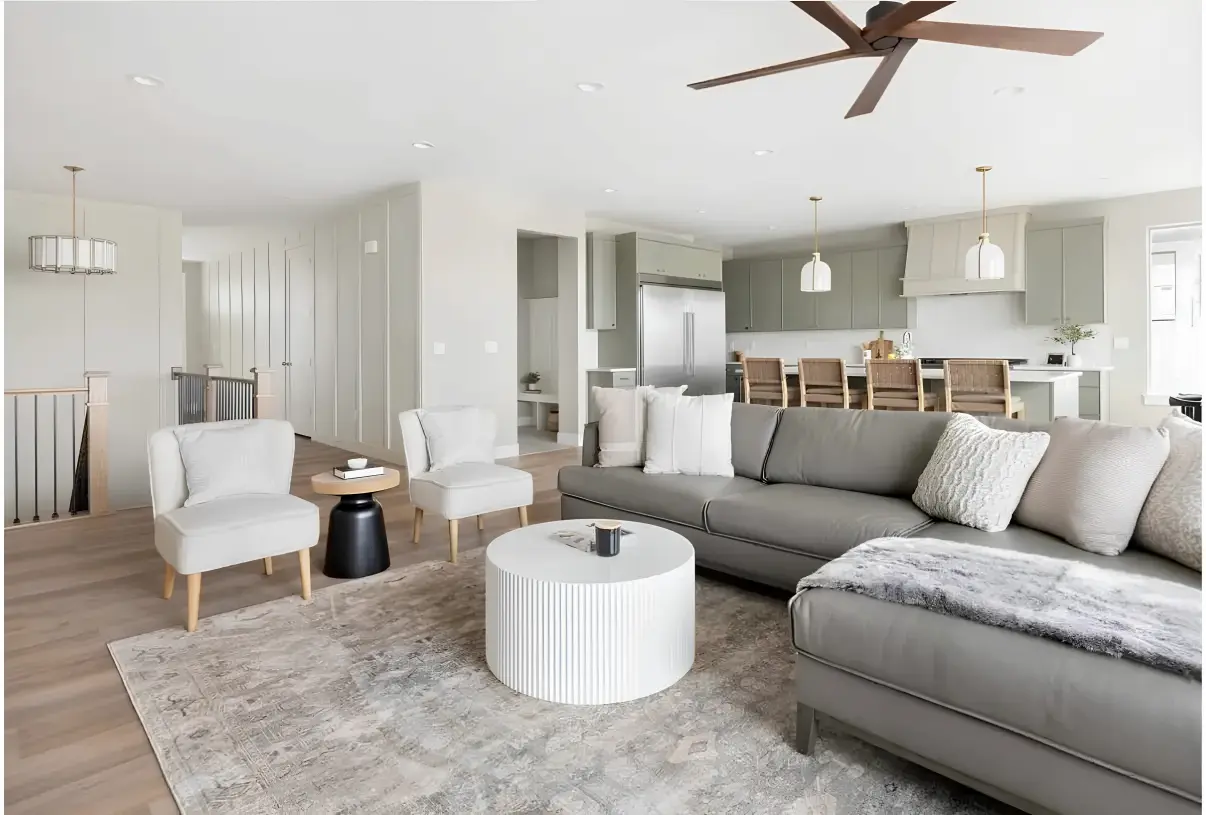
Hardwood, engineered wood, luxury vinyl, or tile. How to pick flooring that fits the room, and what it costs in DC, Maryland, and Northern Virginia.
Flooring is one of the most consequential decisions in any home renovation — it affects how a space feels underfoot, how it looks, how it holds up over time, and how much work it takes to maintain. For homeowners in Washington DC, Maryland, and Northern Virginia, there are a few regional factors that make this decision even more nuanced: the humidity of DMV summers, the wide range of home types from DC rowhouses to Northern Virginia colonials to Maryland craftsmans, and the premium that buyers in this market place on hardwood floors specifically.
This guide walks through the most common flooring choices and when each makes sense in a DMV home.
Hardwood remains the most sought-after flooring choice in DMV homes — and for good reason
Hardwood: The Gold Standard in the DMV
If you own a pre-war rowhouse in DC, a classic colonial in McLean, or a craftsman bungalow in Chevy Chase, there's a good chance you already have hardwood floors under carpet or vinyl. Restoring original hardwood is almost always worth it — buyers in this market notice and respond to it. If you're installing new hardwood, oak (red or white) remains the most durable and versatile choice for the DMV climate.
- Red Oak: Warm tones, takes stain well, extremely common in older DMV homes — matching existing floors is often straightforward
- White Oak: Slightly harder and more neutral in tone, excellent for a cleaner contemporary look while still feeling substantial
- Maple: Very hard, light, and tight-grained — works well in modern renovations but harder to match to existing floors
- Wide Plank: 5"+ boards are increasingly popular in both renovated historic homes and new construction across the DMV
Engineered Hardwood: A Smart Alternative for Many Situations
Engineered hardwood has a real wood veneer bonded to a stable core, which makes it more dimensionally stable than solid hardwood in high-humidity environments. It's an excellent choice for main-level renovations in DMV homes where moisture isn't an issue but where you still want the look and feel of real wood.
- Better for humidity: More stable than solid hardwood in the DMV's humid summers
- Works over concrete: Can be installed in above-grade spaces where solid hardwood cannot
- Refinishable: Quality engineered hardwood can typically be sanded and refinished 1-2 times
- Cost: Often similar in price to solid hardwood once installation is factored in

Engineered hardwood provides the look of solid wood with better stability in humid DMV climates
Luxury Vinyl Plank: The Practical Choice for Active Households
Luxury vinyl plank (LVP) has matured considerably — modern LVP looks dramatically better than the vinyl floors of a decade ago, and it's genuinely waterproof, scratch-resistant, and comfortable underfoot. For DMV families with pets, young children, or heavy foot traffic, LVP on main living areas is a legitimate alternative to hardwood, particularly in spaces like mudrooms, laundry rooms, and lower-level rooms.
- 100% waterproof: Spills, pet accidents, and seasonal humidity don't damage LVP
- Scratch resistant: Significantly more durable than hardwood in high-traffic zones
- Easy maintenance: Sweep and mop — no refinishing, no special products
- Cost: Typically $4-9 per square foot installed — less than most hardwood options
Want real numbers for your house? Leo will come out and give you a written estimate. Free.
Get a free estimateTile: The Right Call for Kitchens and Bathrooms
Porcelain tile remains the most durable choice for kitchen renovations and bathroom remodels in DMV homes. It handles water, heavy foot traffic, and decades of use without showing significant wear. Large-format tiles (18"x18" or larger) have largely replaced the smaller tiles common in older DC and Maryland homes — they read as more contemporary and are easier to clean.
- Porcelain vs. Ceramic: Porcelain is denser and more water-resistant — worth the modest price premium for wet areas
- Large Format: 24"x24" and even larger formats are increasingly common in DC-area renovations
- Wood-Look Tile: A strong option for basement bathrooms and laundry rooms — all the durability of tile with a warmer appearance
- Heated Floors: Electric radiant heat under tile is a worthwhile upgrade in main bathrooms — especially in older Maryland and DC homes where bathrooms tend to run cold
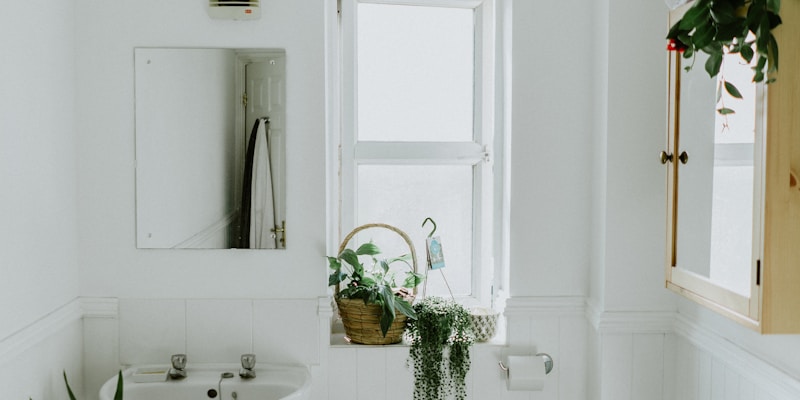
Large-format porcelain tile has become the standard choice for bathroom and kitchen renovations in DMV homes
Basement Flooring: Special Considerations
Basements in the DMV require a different approach. Most older DC rowhouses and Maryland and Northern Virginia colonials have basement slabs that are at or slightly below grade — which means moisture management is the primary concern before any flooring decision.
- LVP over a vapor barrier: The most common and practical choice for basement finishing in DMV homes — waterproof, comfortable, and convincingly wood-like
- Tile: Excellent for basement bathrooms or utility areas; can feel cold without in-floor heating
- Carpet: Only appropriate in dry, fully finished basements — moisture issues will destroy carpet and promote mold growth
- Engineered Hardwood: Can work in dry, above-grade basement spaces but requires careful moisture testing first
How Flooring Fits Into a Larger Renovation
Flooring decisions rarely exist in isolation — they interact with everything else happening in a home renovation. If you're updating trim profiles, installing new baseboards, or adding custom finish carpentry, the flooring species and color influence which wood tones and stain colors will look cohesive throughout the home. In older DMV homes where you're preserving original architectural details, matching new flooring to existing floors is often worth the extra effort to maintain visual continuity from room to room.
At Matos Construction, we work with homeowners to think through these decisions before work begins — so the finished floors work with the millwork, the trim, and the overall character of the home.
Flooring Costs in the DMV: What to Expect
Prices reflect Washington DC, Maryland, and Northern Virginia market rates as of 2026:
- Solid Hardwood (installed): $10-18 per square foot
- Engineered Hardwood (installed): $9-16 per square foot
- Luxury Vinyl Plank (installed): $4-9 per square foot
- Porcelain Tile (installed): $8-20 per square foot depending on format and complexity
- Hardwood Refinishing: $3-5 per square foot
The right flooring for your DMV home depends on the room, your household, the home's existing character, and how long you plan to stay. There's rarely one right answer — but there are plenty of wrong ones, and avoiding them is mostly a matter of understanding your specific situation before you commit.
If you're planning a renovation and want guidance on flooring as part of the broader project, contact us for a free consultation. We'll help you think through the options in the context of your specific home and goals.

Leo Matos, Owner, Matos Construction
Leo has 8+ years in finish carpentry and renovation in the DMV and is on every job. More about Leo
See our whole home renovation work
Tell Leo about your project
Takes about a minute. Leo replies within one business day.