Finish Carpenter vs. Handyman: Which One Do You Actually Need?
Finish carpenter or handyman? What each one does, how the cost compares, and why the difference shows once the work is done.
By Leo Matos · Updated April 2026 · 4 min read

Finish carpenter or handyman? What each one does, how the cost compares, and why the difference shows once the work is done.
If you've been Googling "finish carpenter vs handyman" you're probably standing in a room that needs real work done and you're not sure who to call. The honest answer: it depends on what the work is. This post breaks down the real difference between the two — not just in title, but in training, tools, and the quality of finish you should expect.
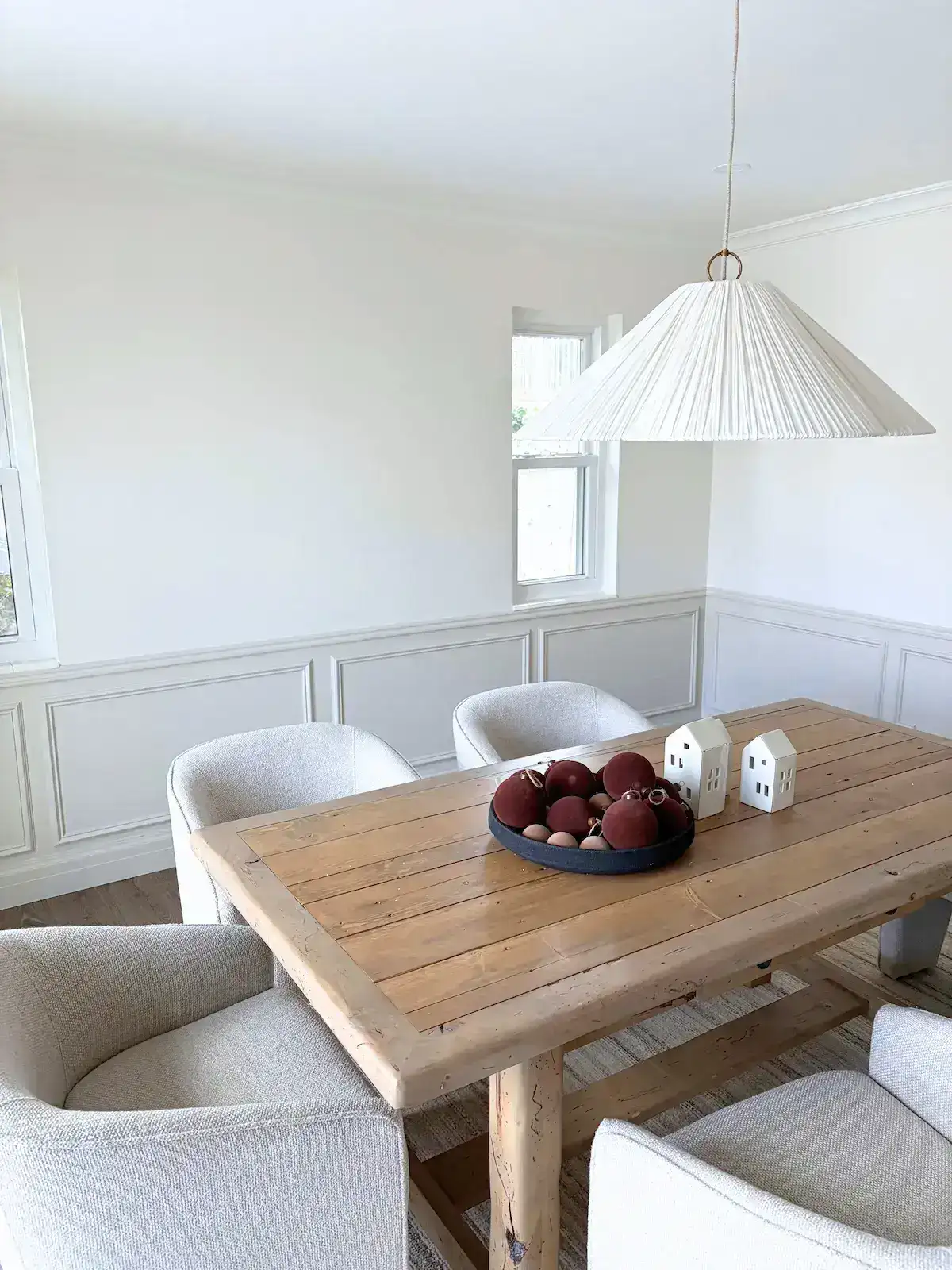
Professional finish carpenters bring specialized skills and precision to custom carpentry projects
What a handyman actually does
A handyman is a generalist. They're useful for a wide range of smaller, lower-stakes tasks around the house: swapping a faucet, patching drywall, replacing a light fixture, fixing a door that won't latch. The value of a handyman is speed and versatility — they can knock out a punch list of small jobs in a single visit.
What a handyman is typically not: a specialist. Most handymen don't have formal trade training in carpentry. That's fine for tasks where precision isn't critical. But when the work involves cuts that need to be perfect, profiles that need to match existing trim, or joints that will be visible forever, "close enough" shows.

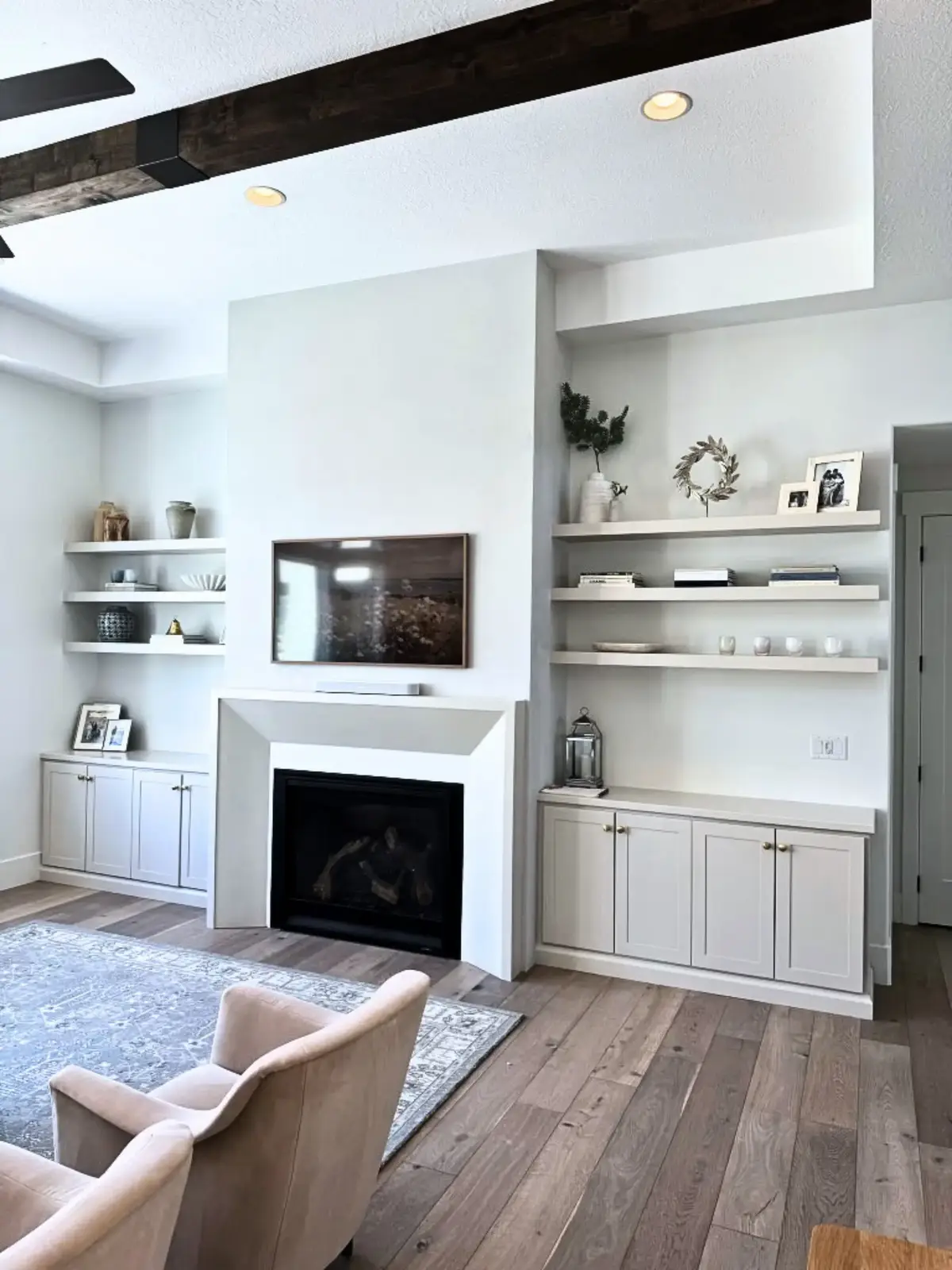
The level of detail and precision in finish carpentry requires years of specialized training
What a finish carpenter actually does
Finish carpentry is everything that happens after the rough construction is done — all the visible woodwork that makes a house look finished and intentional. That includes:
- Crown molding and coffered ceilings
- Baseboards, door casings, and window trim
- Wainscoting and wall paneling
- Built-in bookshelves, window seats, and cabinetry surrounds
- Stair railings, newel posts, and balusters
- Custom millwork and architectural details
A finish carpenter brings specialized tools (miter saws, pin nailers, routers, chisels) and years of practice making precise cuts in imperfect conditions. Real houses have walls that aren't plumb, corners that aren't square, and floors that aren't level. A skilled finish carpenter works around all of that so the final result looks like the house was built that way.
The key difference: what happens when it's visible
Here's the practical test. Ask yourself: will this work be seen every day?
Trim, built-ins, molding, and paneling are permanent, visible features of your home. A bad miter joint or a gap in the crown molding doesn't just look wrong — it stays wrong. You'll see it every time you walk through the room. That's not the work you want a generalist handling.
For anything structural, buried in a wall, or purely functional — a handyman is often the right call. For anything that will be on display in your home for the next 20 years, you want a finish carpenter.
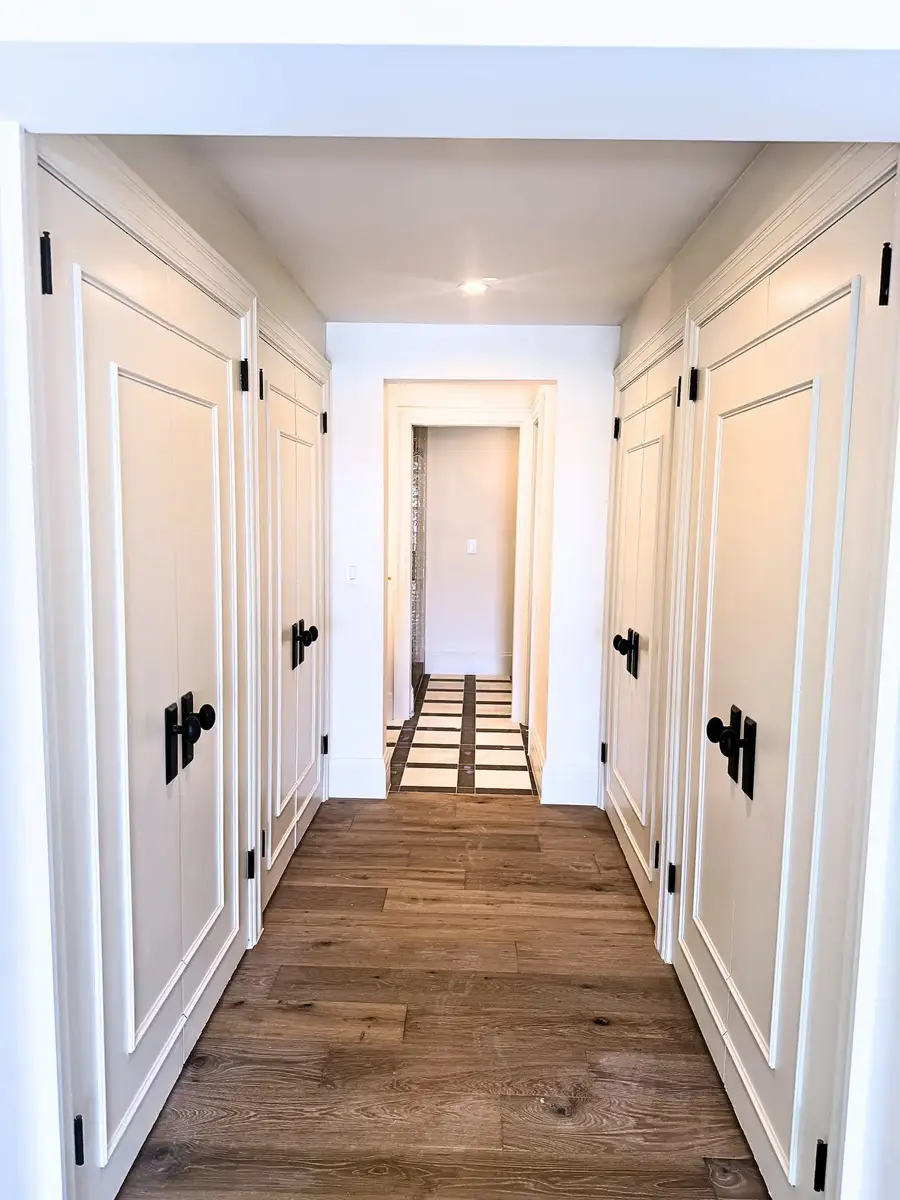
Professional finish carpentry requires specialized skills and precision that handymen typically don't possess
Want real numbers for your house? Leo will come out and give you a written estimate. Free.
Get a free estimateWhat about cost?
Finish carpenters generally charge more per hour than handymen, and the scope of finish carpentry work is usually larger. But the relevant comparison isn't hourly rate — it's the cost of doing it twice. Trim and built-in work that needs to be torn out and redone because the quality wasn't there is expensive and disruptive. Getting it right the first time is the better investment.
In the DMV market — especially in Bethesda, McLean, Great Falls, and Chevy Chase — the homes are high-value and buyers notice finish quality. Premium woodwork adds to resale value. Sloppy trim subtracts from it.
When to call Matos Construction
We're finish carpenters, not generalists. Leo Matos leads every project personally, and we specialize in the kind of detailed trim work, custom built-ins, and whole-room carpentry packages that make a difference in how a home looks and feels.
If you're planning a renovation in Northern Virginia or the Maryland suburbs and need carpentry work that will still look right ten years from now, we'd like to hear about it. Reach out for a consultation — we respond within one business day.

The investment in professional finish carpentry pays off in quality, durability, and home value
Quick reference — handyman vs. finish carpenter
| Handyman | Finish Carpenter |
|---|---|
| Best for minor repairs and maintenance | Specialized in visible woodwork and architectural detail |
| No specialized carpentry training required | Formal training, precision tools, years of practice |
| Charged hourly, usually lower rate | Project-based pricing, usually higher investment |
| Good for: faucets, fixtures, drywall patches, basic door fixes | Good for: crown molding, built-ins, trim packages, millwork, paneling |
Handymen and finish carpenters both have their place. The mistake is using the wrong one for the wrong job — and usually, the person who pays for that mistake is the homeowner who has to live with visible, permanent work that wasn't done to standard.
If your project involves anything that will be seen every day in your home, contact Matos Construction. We'll tell you honestly whether it's something we handle, and if so, what it takes to get it done right.

Leo Matos, Owner, Matos Construction
Leo has 8+ years in finish carpentry and renovation in the DMV and is on every job. More about Leo
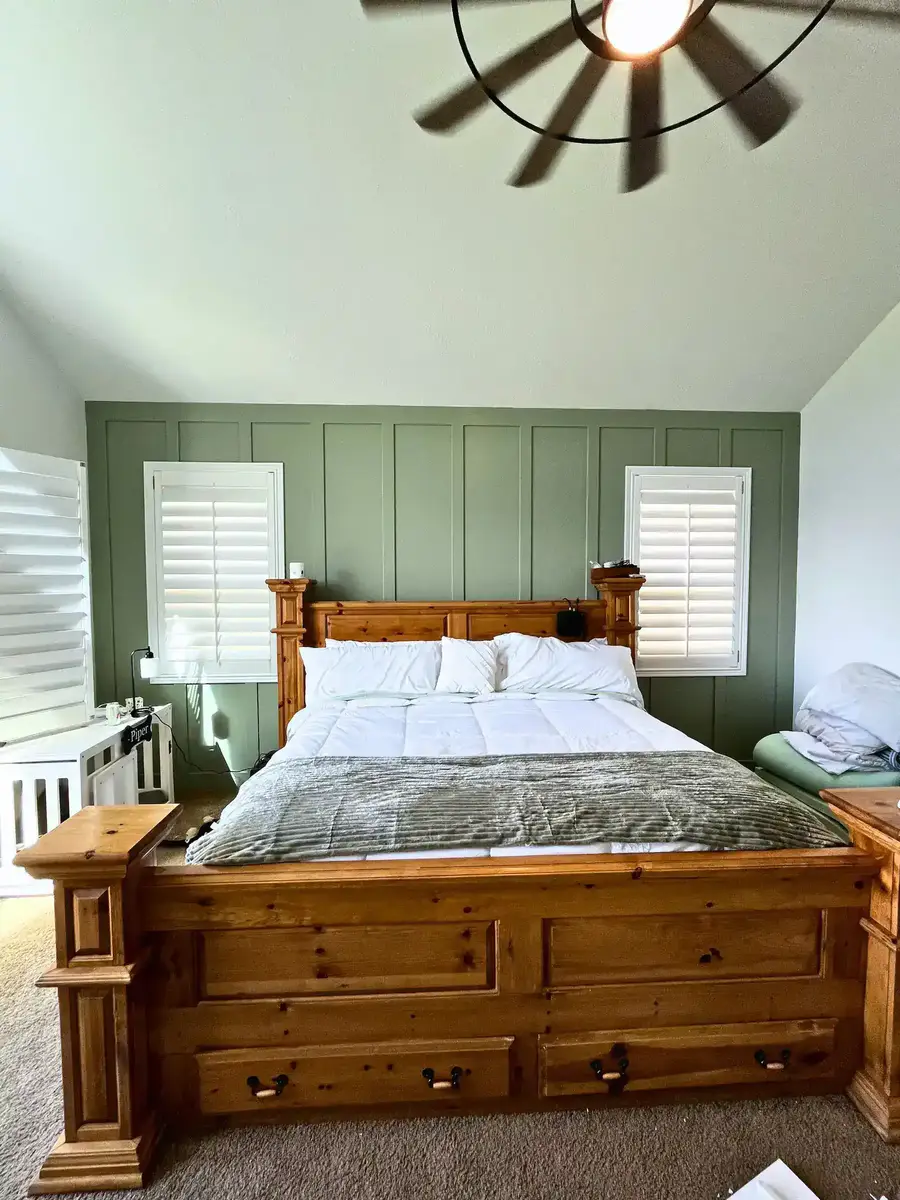
See our custom finish carpentry work
Tell Leo about your project
Takes about a minute. Leo replies within one business day.