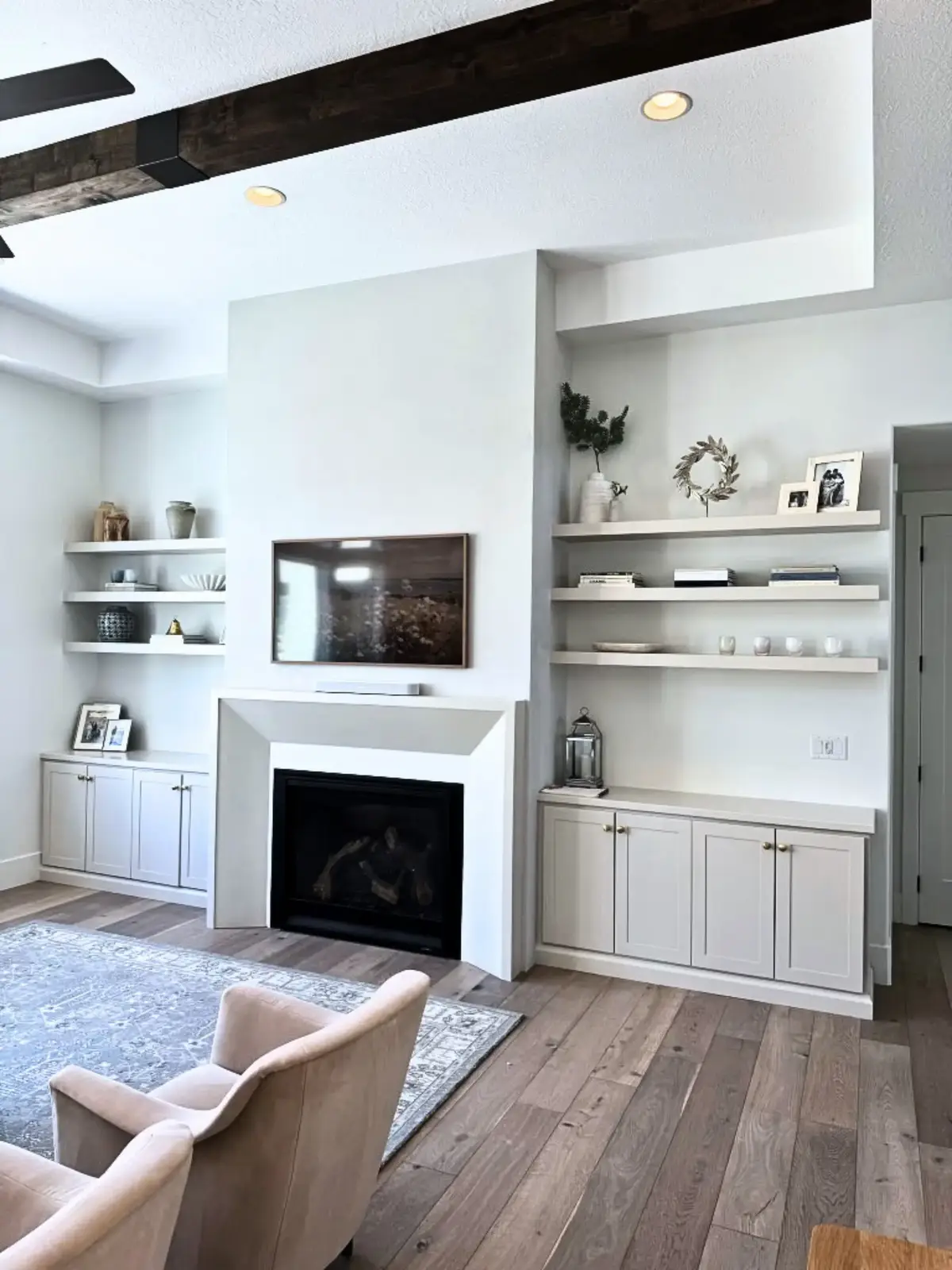
Questions to Ask Before Hiring a Contractor in the DMV
What to ask before you hire a contractor in DC, Maryland, or Northern Virginia. Licensing, insurance, timelines, payment, permits, and communication.
By Leo Matos · Updated May 2026 · 6 min read

What to ask before you hire a contractor in DC, Maryland, or Northern Virginia. Licensing, insurance, timelines, payment, permits, and communication.
As a DMV contractor ourselves, we've seen firsthand what separates a smooth renovation from a nightmare — it almost always comes down to the questions homeowners ask before work begins. The right questions reveal whether a contractor is properly licensed, financially stable, and actually equipped to handle your project. The wrong ones — or none at all — leave you exposed. This guide covers exactly what to ask, and why each answer matters.
A thorough contractor interview process protects your investment and ensures project success
Essential Licensing and Insurance Questions
Before discussing your project details, verify that your DMV contractor meets all legal requirements:
- Are you licensed in Washington DC, Maryland, or Virginia? Request license number and verify with the appropriate state licensing board
- Do you carry liability insurance? Ask for certificate of insurance with minimum $1 million coverage
- Do you have workers' compensation insurance? Protects you from liability if workers are injured
- Can you provide proof of bonding? Ensures financial protection for your project
- Are your subcontractors also licensed and insured? Verify all workers on your property are covered
Experience and Expertise Questions
Assess whether the contractor has the specific skills for your DMV project:
- How long have you been in business in the DMV? Look for established contractors with local experience
- How many projects like mine have you completed? Specific experience matters more than general construction background
- Do you specialize in basement finishing, custom carpentry, or home remodeling? Specialists often deliver better results than generalists
- Can you provide references from recent DMV projects? Contact at least 3 recent customers
- Do you have photos of similar completed projects? Visual proof of quality workmanship
- Are you familiar with local building codes across DC, Maryland, and Northern Virginia? Local code knowledge is essential

Quality contractors can show examples of their best work and explain their process
Project Planning and Timeline Questions
Understanding the contractor's approach to planning and scheduling:
- What's your typical timeline for this type of project? Realistic timelines show experience
- How do you handle project delays? Weather, permits, and material delays are common
- Will you provide a detailed project schedule? Professional contractors use project management tools
- How many projects do you take on simultaneously? Overcommitted contractors may rush your job
- Who will supervise the work daily? Ensure qualified supervision is always present
- What happens if we need to make changes during construction? Change order process should be clear
Want real numbers for your house? Leo will come out and give you a written estimate. Free.
Get a free estimatePricing and Payment Questions
Protect yourself financially with these important questions:
- Can you provide a detailed written estimate? Itemized estimates help compare contractors fairly
- What's included in your price? Labor, materials, permits, cleanup, disposal
- How do you handle cost overruns? Understand who pays for unexpected expenses
- What's your payment schedule? Never pay large amounts upfront
- Do you offer financing options? Some contractors partner with financing companies
- What happens if the project goes over budget? Clear policies prevent disputes
Permits and Code Compliance Questions
Ensure your DMV project meets all legal requirements:
- Will you obtain all necessary permits? Contractor should handle permit applications
- Are permits included in your price? Clarify who pays permit fees
- How do you ensure code compliance? Knowledge of local building codes across DC, Maryland, and Virginia is essential
- Will you schedule required inspections? Contractor should coordinate with local inspectors
- What happens if work fails inspection? Contractor should fix issues at no charge
- Do you provide documentation for permits and inspections? Important for future resale

Professional contractors handle all permit requirements and ensure code compliance
Understanding DMV Permit Requirements
Permit requirements vary across the DMV, and not knowing the rules in your jurisdiction is not an excuse the building department will accept. In Virginia, permits are required for structural changes, basement finishing, electrical work, and plumbing through your local building department — Fairfax County, Arlington County, and Loudoun County each run their own permitting offices with their own processing timelines. In Maryland, most renovation work requires permits through county permitting offices; Montgomery County and Prince George's County have distinct processes and inspection schedules. Washington DC has its own permitting process managed through the Department of Consumer and Regulatory Affairs (DCRA), which has separate requirements for residential and commercial work.
Unpermitted work creates real problems down the line. It can complicate or block a home sale when a buyer's inspector flags it, force you to open walls for retroactive inspection, and in some cases void your homeowner's insurance coverage if a claim arises from work done without proper permits. Any contractor who suggests skipping permits to save time or money is not a contractor you want on your project.
Materials and Workmanship Questions
Understand what you're getting for your investment:
- What grade/quality of materials do you use? Specify brand names and grades
- Can I choose my own materials? Some contractors mark up materials significantly
- Do you provide material warranties? Manufacturer warranties should transfer to you
- What warranty do you provide on workmanship? Minimum 1-year warranty is standard
- How do you handle warranty issues? Response time and resolution process
- Do you guarantee your work? Written guarantees provide protection
Communication and Project Management Questions
Establish clear communication expectations:
- How will you communicate project updates? Daily, weekly, or as-needed basis
- Who is my main point of contact? Avoid confusion with multiple contacts
- How do you handle problems or concerns? Clear escalation process
- Will you provide progress photos? Helpful for tracking work quality
- How do you protect my property during construction? Dust control, floor protection, cleanup
- What are your working hours? Respect for neighbors and family schedules
Red Flags to Watch For
Warning signs that indicate you should look elsewhere:
- Door-to-door solicitation: Reputable contractors don't need to solicit
- Pressure for immediate decisions: Good contractors allow time to consider
- Large upfront payments: Indicates cash flow problems
- No local address or phone: Fly-by-night operators often disappear
- Verbal estimates only: Professional contractors provide written estimates
- Significantly low bids: Often indicates corners will be cut
- No insurance or licensing: Illegal and puts you at risk
- Poor communication: Indicates future project management problems
Getting Everything in Writing
Protect yourself with proper documentation:
- Detailed written contract: Include all project specifications, materials, timeline
- Change order procedures: How modifications will be handled and priced
- Payment schedule: Tied to project milestones, not calendar dates
- Warranty terms: What's covered and for how long
- Cleanup responsibilities: Who handles debris removal and site cleanup
- Permit documentation: Copies of all permits and inspection reports
Final Questions Before Signing
Last-minute questions to ask before committing:
- When can you start? Realistic start dates show proper scheduling
- What could cause delays? Weather, permits, material availability
- How do you handle disputes? Mediation, arbitration, or legal processes
- Can you provide a list of suppliers and subcontractors? Transparency builds trust
- What sets you apart from other DMV contractors? Understanding their value proposition
Taking the time to ask these questions upfront will help you identify professional, qualified contractors who will deliver quality results for your home renovation in Washington DC, Maryland, or Northern Virginia. Remember, the lowest bid isn't always the best value — focus on finding contractors who demonstrate expertise, professionalism, and clear communication.
Ready to get started? Matos Construction serves homeowners across Washington DC, Maryland, and Northern Virginia. We'll answer every question on this list, show you our past work, and walk you through our process from first call to final walkthrough.

Leo Matos, Owner, Matos Construction
Leo has 8+ years in finish carpentry and renovation in the DMV and is on every job. More about Leo
Tell Leo about your project
Takes about a minute. Leo replies within one business day.